
Trees for productivity: Adopting an agroforestry approach
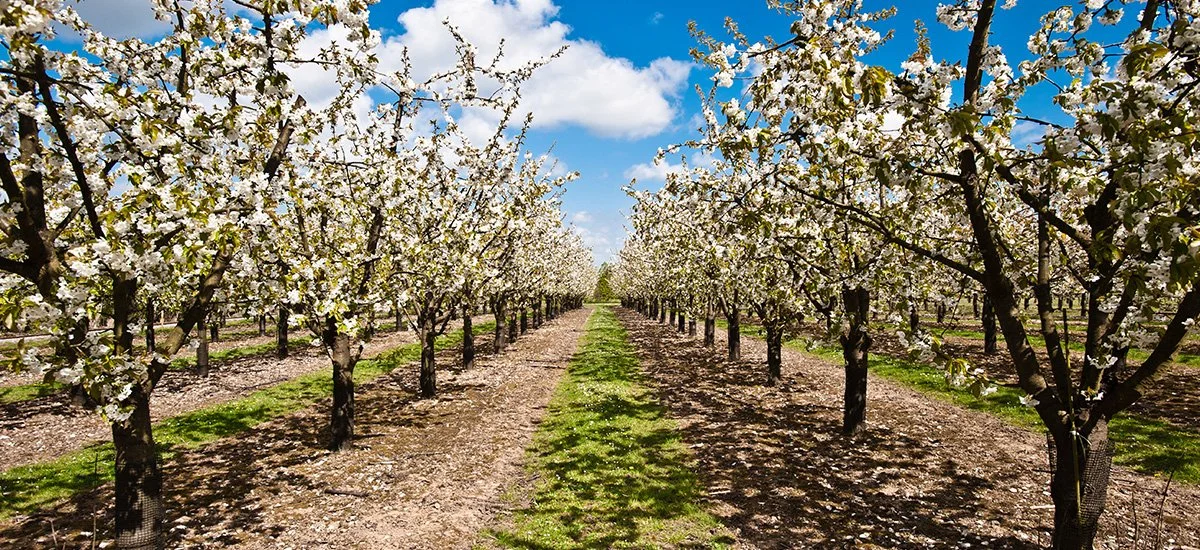
A wave of tree planting is making its way across the country. Fuelled by enthusiasts, charities such as the Woodland Trust, and government net-zero and biodiversity funds, native saplings are being planted in abundance across parks, roadway verges and gappy hedges.
Yet, agricultural land, which occupies 72% of the UK, remains relatively free of tree cover. And this is, arguably, not a surprise. Trees occupy land that could otherwise be used productively for grazing or growing food. They shade crops and compete with them for water and nutrients, stunting their growth and reducing production.
At least, this is the prevailing agricultural thinking. A swelling body of recent research, however, turns this on its head. Farming with trees, otherwise known as agroforestry, can, in fact, be highly beneficial to farmers’ pockets and to nature.
Agroforestry: realising its potential
Agroforestry is a land management method that includes a variety of integrated systems. These multi-functional models can produce food, protect crops, shelter livestock and other local wildlife, and enrich the lives of people, too. Agroforestry is a practice that was widespread in pre-industrial times in the UK. While the practice has become somewhat lost in the UK, across Europe and other parts of the world, it’s still a widely used approach.
As we face the climate emergency, it’s increasingly apparent that a return to traditional ways of farming that work with nature, rather than against it, could be the lifeline we need.
How woodland can benefit agriculture
Incorporating trees into agricultural systems has a multitude of primary and secondary benefits. One of the biggest challenges farmers face today is climate change. Trees aid in climate adaptation, regulating their surrounding micro-climates. Their carbon sequestration properties also mean that they can have a positive impact on the planet’s climate.
Woodland is also hub of protection for animals and crops, providing shelter in extreme weather conditions. The shelter and protection they provide for animals can help to nurture biodiversity, too, making this approach favourable for farmers in an era of environmental crises.
Woodland enhances the ability of land to absorb rain, reducing run-off, soil loss and flooding. Trees’ deep roots also soak up any leached nutrients which would otherwise end up polluting our waterways. These ecosystem service improvements can contribute to overall production through improved soil fertility and better soil water regulation.
Higher production from agroforestry
Most excitingly, studies completed in the last decade have found that planting the right trees and managing them for production can allow farmers to over-produce. This means that they can gain more produce, often with better revenues, than from monocrops.
A greater number of revenue streams from different crops also introduce farm income resilience to extreme weather and volatile markets. Notably, the value of the trees themselves is often missed from income calculations.
Trees beyond timber
Alongside these beneficial attributes of the tree as a living crop, trees can also create wood, food or fibre products. Agroforestry systems can be designed to produce differing revenue streams over different time frames:
Short-term:
Saplings
Currants
Carbon credits
Medium-term:
Young trees
Top-fruit
Woodchip
Fibre
Long-term:
Nuts
Sustainable timber
How each piece of land is used has never been so important as it is today. Land needs to be used wisely and we must understand and utilise trees as the asset they are.
Meeting Net Zero targets
The government’s flagship climate change policy, NetZero 2050, targets a rise from 3% to 10% agroforestry in UK agriculture. So, not only is a move to agroforestry a perhaps more idyllic one, it is necessary to further a climate action agenda.
These government policies seek to reap the multiple rewards that skilful tree planting and management on agricultural land can provide for the countryside, food systems and farmers’ pockets.
The greater number of revenue streams from different crops that agroforestry introduces can also increase farm income resilience to extreme weather and volatile markets. Notably, the value of the trees themselves is often missed from income calculations.
Making trees a valuable part of your landscape
Although there are a myriad benefits of agroforestry systems, many farmers and landowners lack experience in tree management and time to improve their skills – meaning the approach cannot be effectively executed. This is where arboriculturists such as TreeSource can assist with tree planting, planning, planting, sales and maintenance.
At TreeSource, our woodland nursery model plants trees in greater densities, mimicking natural regeneration processes. Our multi-strata designs are perfect structures for agroforestry, establishing layered treescapes that are both protective against climatic shifts, and financially attractive.
This greater density of trees encourages vital below-soil fungal connectivity and increases resilience to extreme climatic events, pest and disease. This is a method that also improves growth and survival rates.
Agroforestry, done well, could be the holy grail to wilding agricultural land; allowing us to share it with nature at the same time as producing sufficient, nutritious food sources and sustaining viable livelihoods.
Get in touch with TreeSource today for a conversation about our services.