
The future is wild! Insights from the RHS Chelsea Flower Show
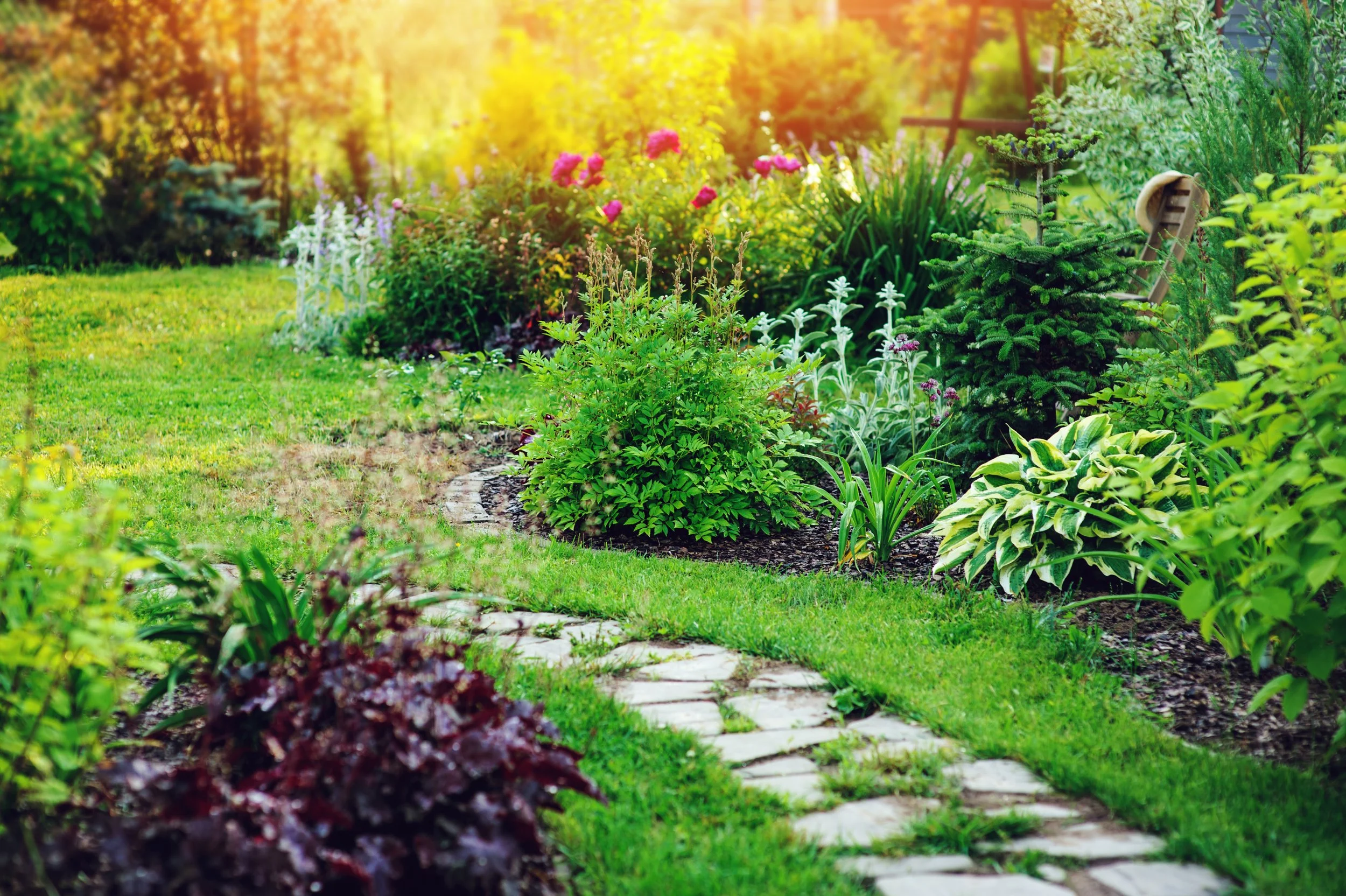
Following a virtual event in 2020, and an autumn spot in 2021, the Chelsea Flower Show made a glorious return to its prime season of spring this year. Held between the 24th and 28th May, this horticultural highlight showcased 39 gardens, alongside 80 other exhibits, bringing a much-needed buzz back to gardening.
Alongside the excitement of Chelsea’s much anticipated return, this year’s theme created a space for vital rewilding and biodiversity topics to be discussed, and displayed, through the art of landscape design. The RHS Chelsea Flower Show is an event of adrenaline for participants and an exhibition of inspiration for attendees and industry speculators. So, what were some of the highlights this year, and what can we take from them?
What was this year’s theme at the Chelsea Flower Show?
The theme of 2022 was ‘Wild’. This year, gardeners were encouraged to bring nature back and embrace the wild, showcasing native species that are rarely seen at the show, celebrating wild plants and including an All About Plants space, highlighting the true power of plants.
Alongside naturalistic planning schemes, the ‘Wild’ motif encompassed other themes such as climate change, sustainability and mental health. Designers took it upon themselves to really reiterate the potency of nature and our connection with it.
Who were behind some of the most notable entries?
As ever, there were many fascinating and creative entries at the RHS Chelsea Flower Show. Below we cover few that really wowed this year.
Rewilding Britain Landscape
Awarded Best Show Garden, the Rewilding Britain Landscape recreated a landscape its poster child, the beaver and the extraordinary species diversity, abundance and beauty that accompanies them. A native to South West England, beavers have been making a resurgence over the past few years as a result of managed introductions in recognition of their importance to local ecosystems and to natural flood management.
Lulu Urquhart’s and Adam Hunt’s lushly imagined garden featured a babbling brook surrounded by wildflowers, willow, field maple, hawthorn and hazel. Around a large crack willow, named for the ear-splitting noise the branches make when they break, a dammed pool housed the beaver’s lodge was scattered with their food supplies and half gnawed tree trunks. Old timber walkways connected the multiple planting zones, successfully illustrating some of the dynamism and range of micro-habitats associated with a landscape managed by these great engineers.
BBC Studios Our Green Planet x RHS Bee Garden
More and more people are becoming aware of the importance of bees amidst their rapid population decline. The Royal Horticultural Society partnered with BBC Earth this year to present BBC Studios Our Green Planet and RHS Bee Garden.
Designed by Joe Swift, the bee garden consisted of a flurry of flowers such as foxgloves, spring stars, alliums and other blooms beloved by pollinator. At the centre of this abundance of flowers was a design in the shape of a bee’s wing. The entry demonstrates how outdoor spaces can be optimised to attract these crucial pollinators, creating beautiful meadows that fulfil gardener’s visions, but more importantly, supporting the survival of the UK’s 270 bee species.
A Textile Garden for Fashion Revolution
As an event centred around plants, our natural resources have always been of great importance to The RHS Chelsea Flower Show. Designed by Lottie Delamain, A Textile Garden for Fashion Revolution made a powerful statement about the fashion industry and its relationship with plants.
Sparking a conversation around what we grow and what we wear, this entry imitated a textile, consisting of segmented blocks of colour with textures depicted through various species of flowers.
While our clothes today are typically made from synthetic fibres and soaked with toxic chemicals, Lottie Delamain’s beautiful design consisted exclusively of plants that can be used to make natural, organic and biodegradable clothing dyes or materials.
The Wilderness Foundation UK Garden
Designed by Charlie Hawks from The Wilderness Foundation UK, this garden offered a complete immersion in nature. Filled with luscious greenery, this labyrinth of plants was inspired by ancient Japanese forests – the birthplace of the forest bathing concept.
The Wilderness Foundation’s ethos centres on connecting people with the wild, providing solace in the face of adversity, through nature immersion. Their garden at the RHS Chelsea Flower Show helped visitors do the same.
Lichen-covered boulders sat beside charred timber walkways from which visitors could observe Charlie Hawks’ lush green multi-strata planting designed to accentuate the different layers of growth in a thriving landscape.
The Cirrus Garden
Jason Williams’ exhibit embraced alternative spaces for wildlife, focusing on combining nature with city living. Created on a balcony structure, The Cirrus Garden was bursting with wildflowers, edible herbs, grass windbreaks, a vegetable garden and even a tiny pond complete with a Japanese rice fish and fountain.
This inspiring sustainable micro garden held emphasised how even a small space can be used to increase biodiversity in urban areas. The addition of a table and chairs to enjoy the surroundings served also to demonstrate how urban dwellers could create spaces to benefit their mental health in their very own apartment. The concept purposefully invited visitors to take elements of The Cirrus Garden to replicate and customise to suit their own wilder outdoor spaces.
Circle of Life
The Circle of Life Sancturary Garden was truly spectacular, both in design and concept promoting an escape from the digital world and featuring only the sounds of air and water. Depicting the cycles of life, through new growth, ageing, death and decay, Yoshihiro Tamura’s design communicated the importance of each stage and a need to connect with ourselves through nature.
The garden incorporated a tranquil pond fringed by wild grasses, herbs and vegetables and graced with a beautifully designed Japanese wooden water wheel.
Through each section of the garden ran faux-stone walling, laced with green moss. Amongst the relaxing sound of running water, visitors could take some time to reflect, inspired by the emotional response nature brings out in all of us.
The Alder Hey Urban Foraging Station
Designed by brothers Howard Miller and Hugh Miller, The Alder Hey Urban Foraging Station was inspired by foraging in the wild to evoke a sense of the nostalgia and excitement of this almost-forgotten activity. With Alder Hey Children’s Hospital as its community, the entry aimed to inspire young people to live healthy and happy lives – not least through the beauty of and connection with nature.
Flourishing hedgerows adorned the borders of the entry, and small pathways criss-crossed its design throughout, encouraging people to explore and lose themselves in the ‘wild’. The centrepiece of The Alder Hey Urban Foraging Station was a woven picnic blanket through which edible herbs grew, ready to add to an impromptu foraged picnic.
To support the theme of nature and nostalgia, the garden featured habitats that were once more commonplace, including bogs, biodiverse hedgerows and orchard meadows. The foraging station, hedge tunnels and dynamic mix of cloud-like botany created a dreamy atmosphere in which the young and old could play, share, forage and relax together.
What can we take from the highlights?
The above entries are just a select few of our favourites and all feature themes of nature and restoring biodiversity,
From beaver habitats and pollinator-friendly planting to nature as a form of respite, to the role of nature in fast fashion, the RHS Chelsea Flower Show was a poignant statement of how we can support and restore the natural world.
A clear call-to-action was written large across many entries: use their gardens for good and give biodiversity a fighting chance to recover.
By bringing the natural world to urbanity, living in a city no longer restricts nature to trips to the country; with a little creativity, pockets of nature can spring to life just about anywhere. While we always strive to look forward, some entries bought us back, looking at our past relationship with the great outdoors and emphasising our love and innate need for it.
A ‘wild’ theme evidenced more than just wildflower meadows and overgrown landscapes, but showcased wildness as a dynamic and prosperous approach to managing our land. Wild is not messy or something to be restrained, wild is the way forward.
Want to wild?
If you’re ready to embark on a wild approach for your outdoor space, then get in touch with us. We can offer expert advice and discuss nature-centred solutions for your garden or land.