
Landowners – are you ready for a green revolution?
Our planet is facing levels of environmental degradation never seen before. For far too long now, the environment around us has been ruthlessly exploited, with the effects increasingly felt across the world.
It’s an alarming time as we watch the world that sustains us begin to deteriorate. However, there are solutions.
Amending the way that land is used is a crucial component in combatting climate change and dramatic declines in biodiversity – much of which is caused by unsustainable agricultural practices around the world.
Land management is already under increasing scrutiny from governments and environmental bodies, and they are starting to apply pressure to move towards regenerative methods to improve the wellbeing of society and nature. So, what can landowners and farmers in the UK expect over the coming years?
The 25-year environment plan
The government has set out a plan that intends to protect wildlife, plants, and trees, and improve the UK’s air and water quality.
As part of the scheme, the government aim to create or restore 500,000 hectares of wildlife habitat and increase woodland cover in England from 9% in 2022 to 13% by 2060. There are also plans to improve approaches to soil management by 2030, and ensure that food is produced profitably and sustainably.
These are just some of the objectives of the scheme, but are ones that will particularly require a strategic outlook for land use and engagement from owners to improve land management.
The government plans to support farmers to “turn over fields to meadows rich in herbs and wildflowers, plant more trees, restore habitats for endangered species, recover soil fertility and attract wildlife back. We will ensure broader landscapes are transformed by connecting habitats into larger corridors for wildlife.” (Source)
The 3 land management schemes
The government is phasing out the area based Basic Payment Scheme, with a plan for complete dissolution in 2028. To replace it, three environmental land management schemes have been launched. These are:
Local Nature Recovery – the Local Nature Recovery scheme pays landowners to make space for nature alongside agriculture. Measures that may qualify for payments include mid-scale, often multi-landowner managed actions that will, for example, improve nature connectivity, restore diverse habitats such as ponds, or contribute to nature-based flood management solutions.
Landscape Recovery – The Landscape Recovery scheme supports large-scale land use change across multiple ownership boundaries to decrease the impact on climate change, aid adaptation to climate change and reverse biodiversity loss. The first round will focus on restoring threatened species by restoring England’s rivers and streams.
The Sustainable Farming Incentive – This initiative offers landowners and farmers incentives to implement discrete measures to improve sustainability in agriculture. A multitude of measures will qualify and will include reducing pesticide use, reducing soil erosion, improving soil water retention and fertility, replacing hedges and planting trees to improve farmland biodiversity.
Land use policies for Net Zero
Under government targets, the UK must reduce greenhouse gas emissions to net-zero by 2050. This is a part of the country’s legally binding commitments made under the Paris Agreement to keep the planet’s temperature below 2°C pre-industrial levels.
To achieve this, extensive changes will have to be made, especially within land management. Some of these requirements include:
Agricultural land will need to shift towards more climate-friendly approaches. One such approach could include agroforestry which integrates trees and tree crops with other agricultural production in order to sequester carbon in wood and soils.
Extending and expanding hedgerows to increase to 181,000 hectares by 2050.
The land management sector holds great potential to sequester carbon from the atmosphere as well as to initiate a green revolution through the sustainable production of food.
What are the options now?
Some significant changes are set to take effect over the next decade. Landowners and farmers must change the way they use their land to improve biodiversity, restore nature, help to reduce emissions of greenhouse gases, and adapt to the changing climate.
Land is no longer being treated as an infinite commodity, but a utility to help us navigate our way out of the climate crisis and towards a sustainable revolution.
If you’re a landowner concerned or unsure about what to do next:
Take some time to understand any existing legislation and what might be required of you
Assess any eligibility for the government schemes mentioned above
Keep up to date on timelines: this is a fast-moving environment!
Explore nature-based solutions that can work for your land
Planning for the future: Nature-based solutions
If you are a farmer or landowner looking for ways to enhance your land to meet government criteria, or to be a part of the movement to build a greener world, knowing what solutions are out there can help you make the right choice.
TreeSource is a specialist in regenerative treescapes, with soil health at the heart of all our work.
Our unique woodland nursery hubs implement densely planted trees, helping to establish strong, healthy and productive treescapes.
Our multi-strata designs can fulfil agroforestry objectives, providing fruit and nuts for sale or private consumption, as well as being a compatible solution for farm animals.
Saving our soils the TreeSource way
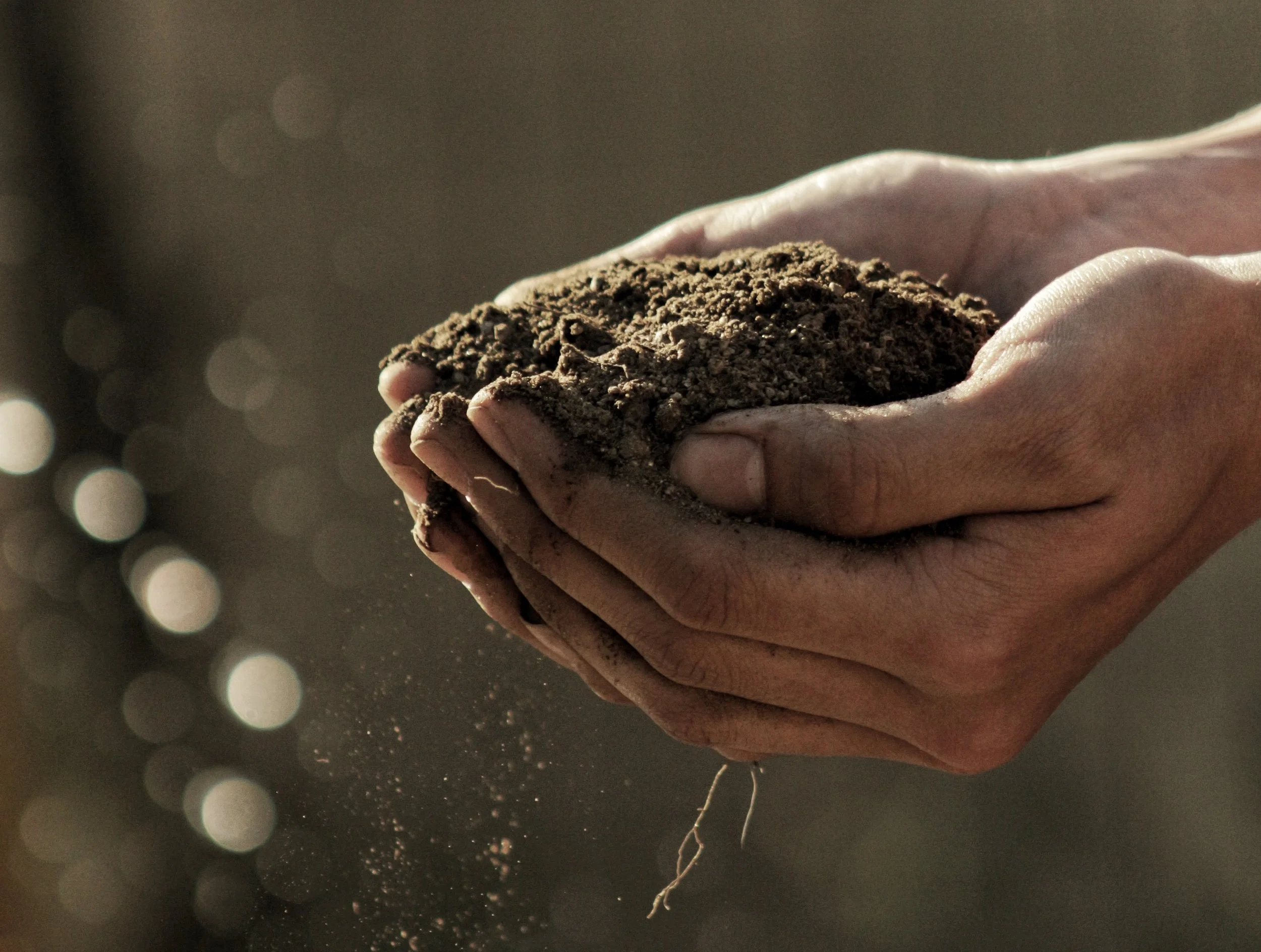
Soil biology and dynamics underpins all our work at TreeSource.
Our soils are currently under threat and restoring this vital organic matter is crucial for landowners and farmers if they want to have the most beneficial impact on the environment, climate change and the planet.
To find out more on how we can help you in the journey to build our world back greener, then get in touch today. We’re always happy to discuss how we can help empower your land.