
Wilding from the ground up: Finding our roots
“We feel this is the best thing we could be doing right now, and it’s what we’re really passionate about. This is what we feel people are wanting to receive at the moment, and at last we’re talking about it. Everyone’s talking about it...”
We find ourselves amidst a time where our planet is changing rapidly. Wildlife populations, natural resources and the climate are all fluctuating dynamically. For the first time, perhaps ever, we are having to actively work to bring nature back to Earth.
Our relationship with the planet and how we harvest its resources has become unsustainably intense. Instead of focusing on crucial interactions between animals, plants and organisms, the ‘quantity over quality’ motto seems to triumph every time.
While it’s easy to slump into the doom and gloom rhetoric, a shift towards better practices is dawning. Tree planting schemes, green energy, eco-tech and recycling initiatives are more swiftly emerging into the socio-economic sphere, offering glimmers of hope.
Driven by a desire to change the way we approach agriculture and manage land, with trees at the heart of it all, TreeSource is embarking on a radical movement to reconnect society with nature, in a way that lasts.
Wilding and the broader landscape:
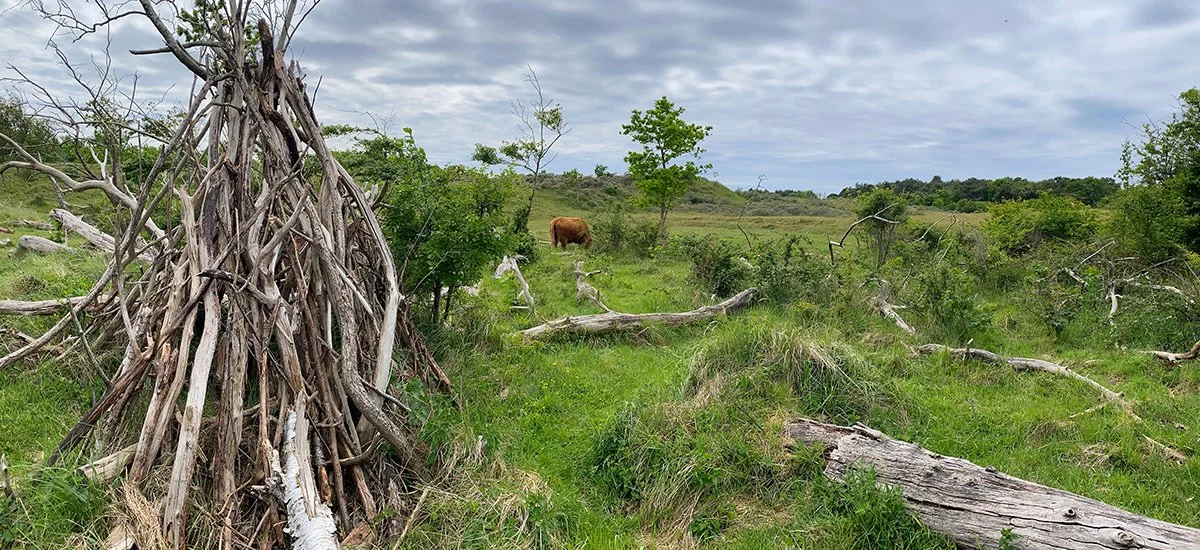
Whilst you won’t struggle to find information on tree planting and the increasing initiatives surrounding it, wilding is a concept that is still fairly untouched. Wilding is an agroecological approach that, through implementing regenerative solutions, encourages nature to take care of itself.
Awareness is changing and people are recognising the bigger picture; “More and more people are understanding wilding and its importance and it’s a conversation that can more openly be had,” says TreeSource.
Through years of experience and continuous learning, TreeSource has developed its own unique solution, helping to solve the crisis that we are facing with our trees, and nature as a whole. Restoring natural processes is at the heart of their work, giving power back to nature and allowing it to truly flourish in all its glory - without intrusive and synthetic human intervention.
Wilding:
Acknowledges important cross-species interactions
Prioritises soil health
Is a process-lead, self-sustaining approach
Shapes landscapes to form resilient and healthy plants that produce genetically strong offspring
Repairs damaged ecosystems
Prioritises the wellbeing of animals, nature and people
“We now look at wilding and the bigger picture and how everything falls together in a landscape. We need to include a lot more of trees’ ecology, not have them just as lone wonders, or as visual amenities. There’s a lot more to them,” says TreeSource.
When done right, wilding is a solution that possesses great potential to revolutionise how we manage landscapes, trade and agriculture.
Why wilding over other approaches:
It’s clear that the way we are managing a lot of elements integral to human life is not working. As the population increases, so does consumer demand, and we need to focus on practices that can accommodate this in sustainable ways. Not just taking from the Earth, but giving something back, too.
Food production
The way we cultivate our food is in desperate need of a global rethink. Wilding, from TreeSource’s angle, strives to not only encourage sustainable food production – harnessing natural consumables such as fruits and nuts – but to utilise trees as a living asset to support crop growth.
Climate change
Individuals and corporations alike are having to work to reduce human impact on the planet and adapt to cope with the effects of climate change. Wilding landscapes offers a more sustainable way of living, whilst cultivating vegetation that can better withstand the stresses of a changing environment.
Biodiversity
Biodiversity is declining exponentially. The web of life relies on biodiversity and the valuable interactions and communities this supports. Through creating resilient tree nursery hubs, like TreeSource’s, that factor in the various components of soil and surrounding environments, wilding can help to regenerate interdependent webs of life.
Wellbeing
Creating naturally wild and prosperous landscapes can contribute greatly to human (and wildlife) health and wellbeing. Wilding solutions provide havens for escapism from busy city life, re-establishing an innate need to connect with nature, while also offering goods such as food and shelter - through trees.
Transforming land management practices
Instead of disrupting woodland and other ecological dynamics, wilding works with these processes. Traditional land management practices such as agriculture are orientated around the use of synthetic, harmful substances that have a knock-on effect on all the above.
Who is TreeSource?
TreeSource is providing a wilding solution sought by the market, with soil health at its centre – securing the longevity of its trees, land and environment. They are initiating a wild evolution in tree planting, from the ground up.
Under its current name, the Bath-based business is relatively new, however, its history with trees goes back over twenty years.
Co-founder Charlie Marsden began his journey as a tree surgeon, developing his adoration for trees and the outdoors. He had a lot of clients asking what the problem was with their trees, but he realised he didn’t have the answer. There never seemed to be an exploration or discussion around the root cause of these ailments and why the trees were suffering.
“I realised fairly soon that it was all about the roots and the soil,” explains Charlie, “I started looking after very old trees and developing ways to help them organically and holistically, in a way that wasn’t throwing a load of chemicals at them, to find out what was causing these problems... I went on a mad journey trying to work out what goes on underground.”
On this journey, Charlie came to realise that wilding was the approach needed to resolve these issues. Moving into wilding, Charlie and his team are helping to change the way woodland is typically managed, making it not just about trees and their value in timber, but their value of being alive.
Wilding the TreeSource way
Instead of thinking about how nature can fit around us, it’s time that we work to accommodate nature. TreeSource are coming into wilding, using an agroecology approach. They are working to change agriculture and other unsustainable land practices, offering the chance to make them more sustainable and accessible whilst still being economically beneficial.
Soil biology
TreeSource’s entire approach is rooted around soil biology. For a tree to really prosper, its home and its nourishment – the soil – is the most important thing. Soil needs to be mineral-rich and contain vital organisms such as mycorrhiza and protozoa, to bring any real value to plant life.
“We’re getting to the root of what trees actually need in a changing climate. The stronger trees are biologically the more resilient they are. They can become resistant to disease and less susceptible to becoming sick. A lot like us,” explains Charlie.
Tree communities
There is an aspect of tree planting that can sometimes get overlooked and that is their solidarity in numbers. Much like us, again, trees thrive and survive much better in communities.
TreeSource’s tree micro-nurseries support greater densities of trees together. When there is adversity and community amongst trees, their growth rates are higher. One species of tree will support another via its roots and through fungi, transfusing food and communicative messaging. “It’s about community, not competition,” says Charlie. It’s also important to note that TreeSource’s micro-nurseries have not set out to be an elite practice either. They offer smaller models, from half an acre, to encourage all kinds of landowners to get on board.
Holistic approach
Planting a tree is not – or should not be – an isolated process. TreeSource’s approach is centred around the ecology of trees and all that entails. It's not about getting as many trees in one piece of land as possible but understanding how the trees and the landscape co-exist together.
Faster farming
Because TreeSource use trees that are already matured, the benefits can be reaped much quicker. This is opposed to other tree planting schemes, where trees are planted from seedlings and can take decades to grow and exchange any environmental, or monetary, value. “Trees, with the biology that is cultivated, will grow twenty percent faster on average if they’re planted in these forms that we’ve designed,” says Charlie.
TreeSource’s method
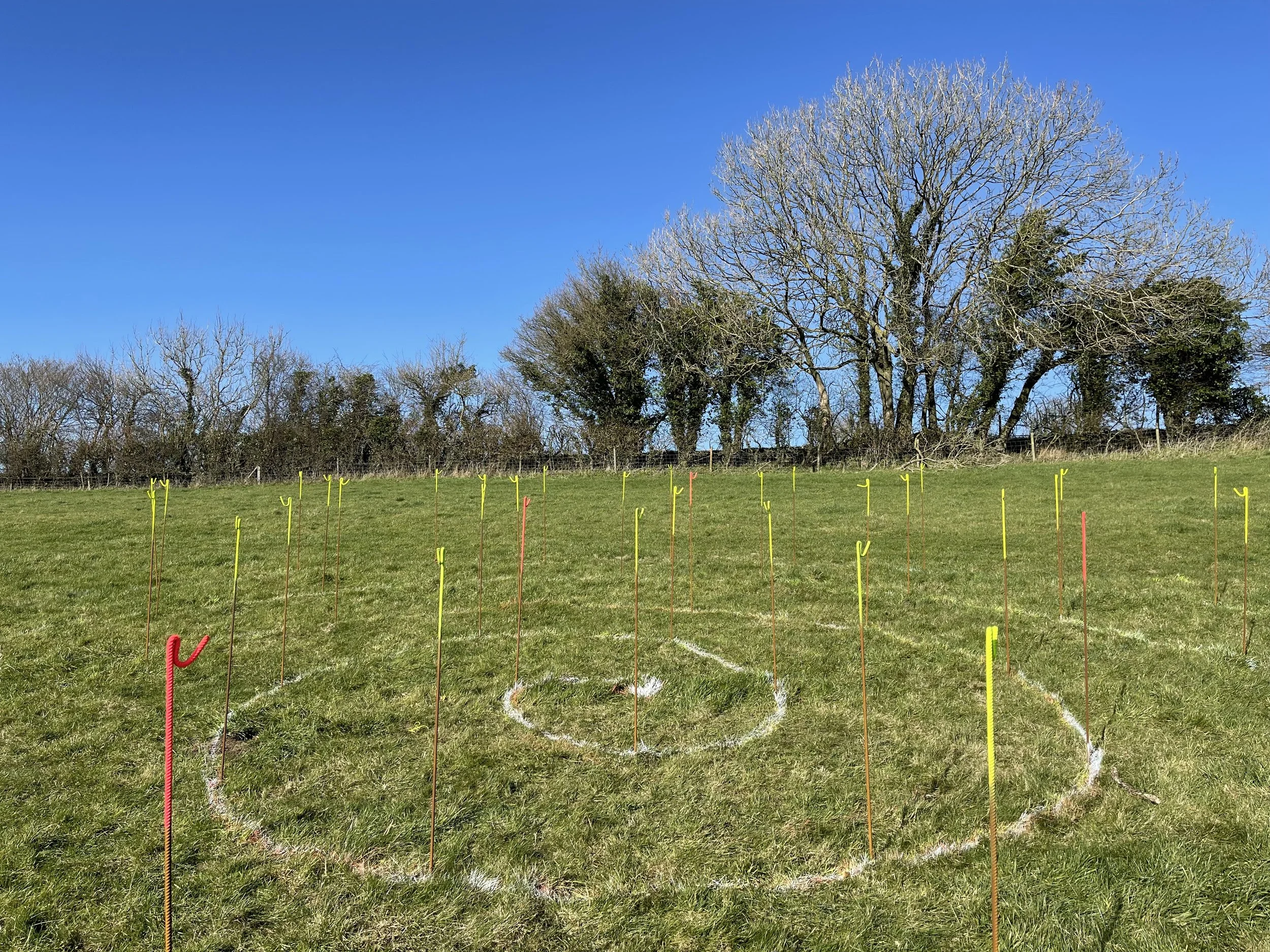
TreeSource’s spiral-designed tree nurseries are created through resourcing trees that essentially need a new lease of life. They utilise trees that otherwise would have been felled, then take on a woodland that has established soil communities amongst their roots, introduce the mother tree out into these open grounds for new planting and then plant around those.
This optimal soil biology, combined with a plantation arrangement consisting of diverse trees, mimics natural regeneration, to establish a troop of trees that are strong and valuable. These designs can then hope to produce food, enhance biodiversity, sequester carbon, even assist with medicinal purposes and elevate human and animal wellbeing.
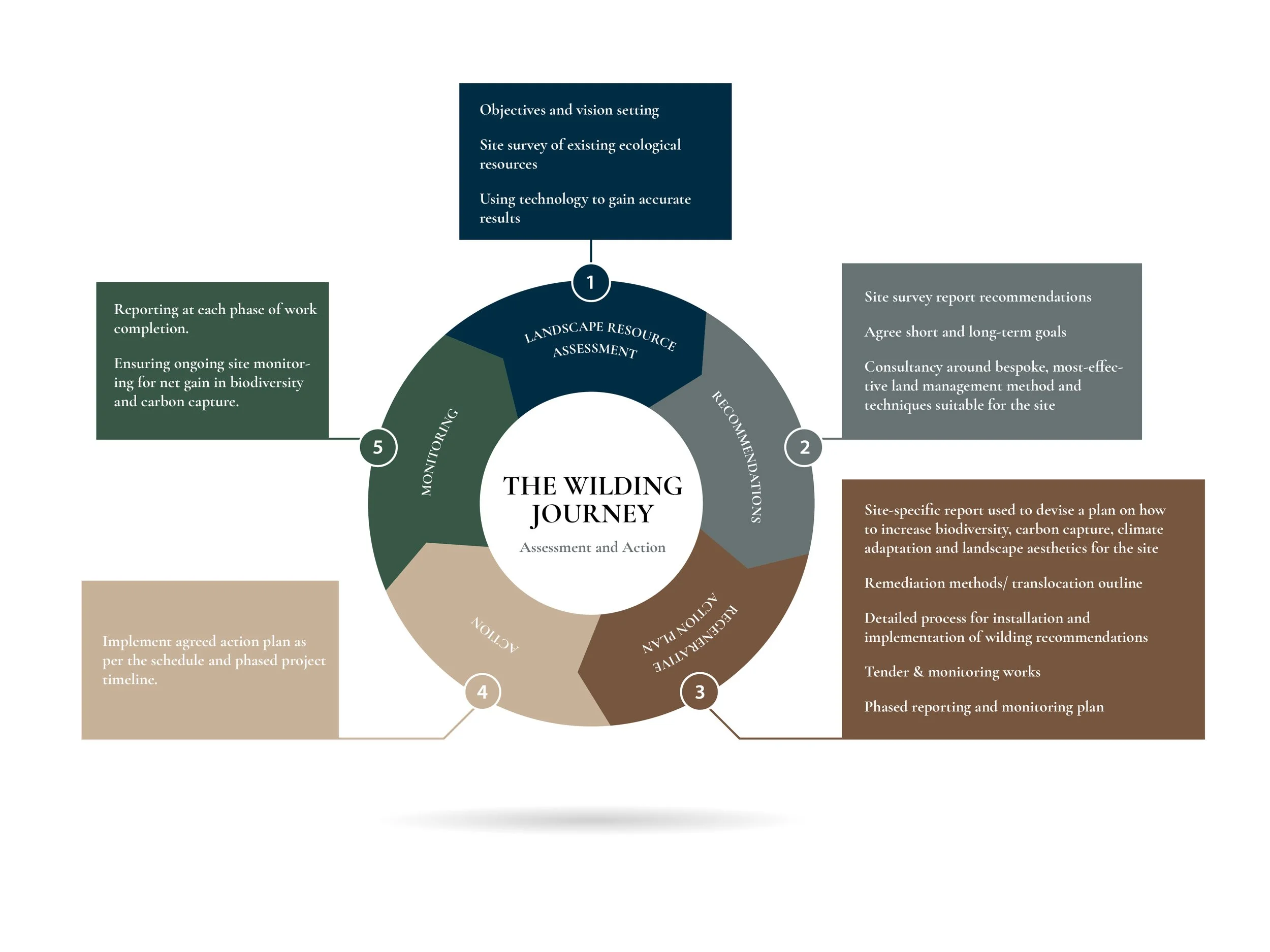
By really understanding trees, their roots, their genetic structure and the conditions they need to thrive, we can work to implement nature-based solutions that are sustainable and successful. Through science-driven and experience enriched processes, TreeSource is innovating ways to empower nature and all that lives amongst it, so it can prosper for generations to come.
Get in touch with us today if you would like to implement a wilding solution for your land, or to have a further chat about our nature-based work.