
The supportive social network of the trees: Insights into the Wood Wide Web
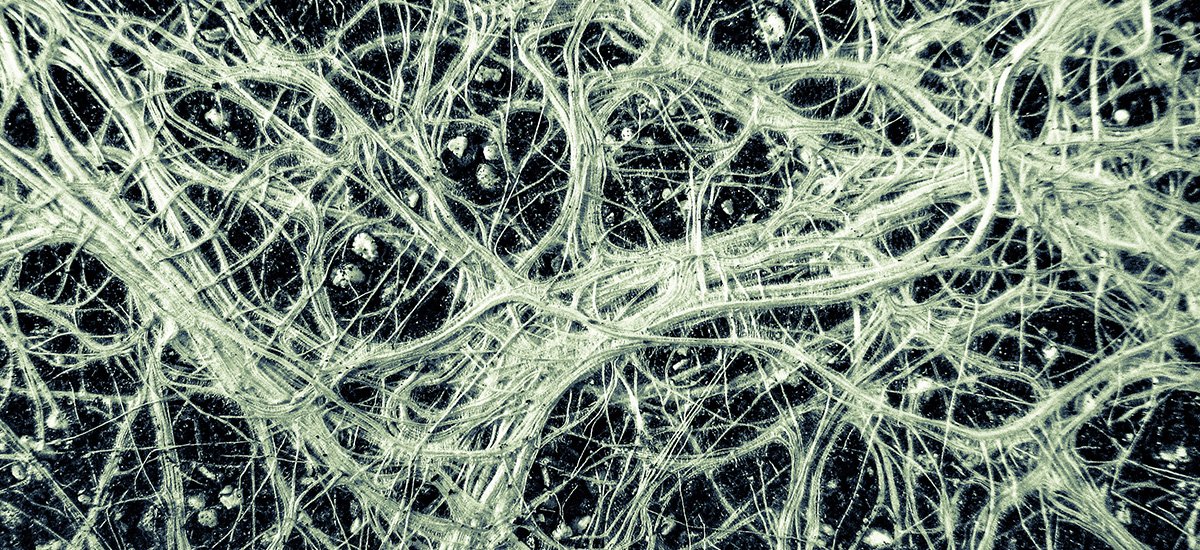
When walking through a forest, we tend to enjoy the canopy of leaves above our heads, the labyrinth-like arrangement of trees, or the fresh scents of glorious nature. However, as we stroll through these cathedrals of nature, few of us are aware of the extraordinary ecosystem functioning right beneath our feet.
Spread across the surface of the soil and extending deep down below, a complex structure allows trees to co-operate and socially network. This web of interaction holds valuable insight into the secrets of nature and species and how they co-exist.
What is the Wood Wide Web?
The ‘Wood Wide Web’ is a term coined by scientist and ecological researcher Suzanne Simard. The discovery that trees form communities that are networked with one another was originally introduced through Simard’s paper which was published in Nature in 1997. Whilst it received a predictably incredulous reception in the late nineties, it has since formed a cornerstone of tree and woodland knowledge, explored extensively by authors, documentary filmmakers and fellow forest researchers.
The Wood Wide Web is an underground system made up of tree roots, fungi and bacteria that establish symbiotic relationships and networks that connect trees together. These networks can be thought of like a spider’s web, or veins running through the human body. They can also be compared to the neurotransmitter activity observed in the mammalian brain.
Through these networks, plants (this includes trees), fungi and bacteria work together as communities for mutual gain. The Wood Wide Web is not just an astounding communications tool, but a sophisticated system through which trees and plants can share nutrients, light and water to help each other survive.
The key organisms...
Fungi play a vital role in the Wood Wide Web. A woodland without fungal networks cannot operate optimally and its trees are susceptible to climatic extremes, pest attacks and disease. Responsible for many vital processes between trees and their surrounding environment, it’s worth briefly looking at the two main types of fungi powering the Wood Wide Web and, essentially, the natural assets that help to regulate the environment of our planet.
Ectomycorrhizal fungi
Ectomycorrhizal fungi (EM) work their magic by surrounding the tree’s roots, transferring water and nutrients gathered far beyond the root’s reach, to the tree. They’re repaid for their efforts with a sugary carbohydrate reward that the tree manufactures through photosynthesis.
EM fungi are typically associated with tree species that grow in cool, dry climates. EM are integral to supporting plant growth and survival and can improve resilience to extreme environmental conditions such as drought. They are also highly effective at storing carbon.
Arbuscular mycorrhiza fungi
AM fungi have a different approach and penetrate, rather than surround, tree roots to establish their symbiotic relationships with trees. These relationships also improve the supply of water and nutrients.
Trees and plants that colonise hotter, wetter climates tend to form associations with AM fungi. They can also facilitate fast carbon sequestration, with up to 20% of plant-fixed carbon transferred to the fungus (Parniske. M, 2008). Some of the oldest land plant fossils have been found to contain structurally identical fungi to modern day AM, meaning they can be thought of as 'living fossils’.
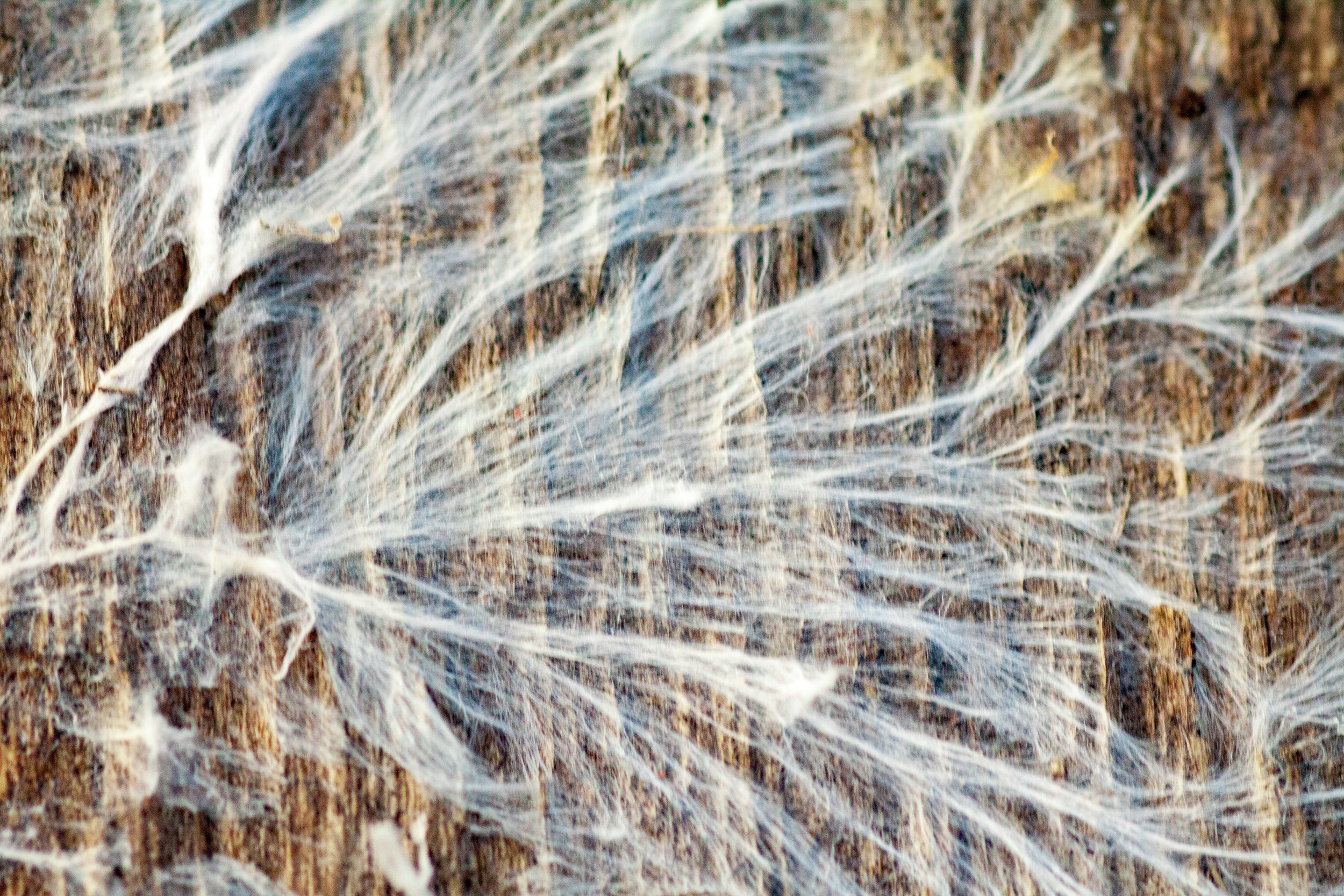
Fungi in the forests
We can see that fungi are the protagonists of the Wood Wide Web and how it functions. Much more than just scavengers of the soil, fungi have been ubiquitous in nature for billions of years, shaping the way plants, and animals, evolve.
It is through these fungal networks that mother trees can nurture other, younger trees. Through fungi, trees shaded from the sunlight can still survive, fungi can even, when near certain resources, absorb the goodness from animal or fish carcasses and provide the nutrients directly to trees. These brief examples give some insight into the amazing functions that fungi fulfil - but the capabilities of these versatile organisms do not end there.
We are only just starting to understand the complex, interwoven nature of fungi and trees, and there’s still so much more to learn.
Why is this information useful to us?
As scientists gather more information about these astonishingly intricate networks, we are progressively piecing together an evolutionary puzzle that helps us understand human existence. As biologist and mycorrhizal ecologist, Dr Merlin Sheldrake, puts it:
“Fungi are changing the way that life happens, as they have done for more than a billion years […] Fungi provide a key to understanding the planet in which we live, and the ways we think, feel and behave. Yet they live their lives largely hidden from view, and more than 90 per cent of their species remain undocumented.”
Gaining a deeper understanding of the complexities of symbiosis in nature can give us the tools to evolve, work and exist in a more considered way: a way that may help us tread more lightly our planet.
In wilding
Appreciating the existence and function of the Wood Wide Web enables a more successful approach to wilding. Insight into these essential biological interactions supports us in mimicking natural woodland conditions to achieve exceptional nature enhancement and recovery in short time spans.
Read about TreeSource’s unique approach to wilding, here.
For climate change
The Wood Wide Web efficiently converts atmospheric carbon dioxide into stable carbon forms sequestered deep in the ground. As such, woodlands, forests and the preservation and enhancement of their fungal networks are rising in profile as part of key global discussions to limit climate change.
The Wood Wide Web and the TreeSource Approach
These advanced multidimensional, multi-species, symbiotic, social networks hold valuable clues to resolving many current environmental and social issues. There are now few ecosystems globally that remain unharmed. By exploring the soul of the soil, we can begin to help restore it and all the plants and animals that depend on it.
Relationships between plants and fungi have evolved over the millennia to create a sophisticated system for mutual support and benefit. The power of these networks must be acknowledged and embraced as we work alongside nature.
At TreeSource these relationships are the keystone around which our nurseries are designed and managed. We establish communities of trees that thrive as they would if left to their own devices in nature.
Get in touch today if you would like to know more about our soil-centred approach to wilding and tree propagation.